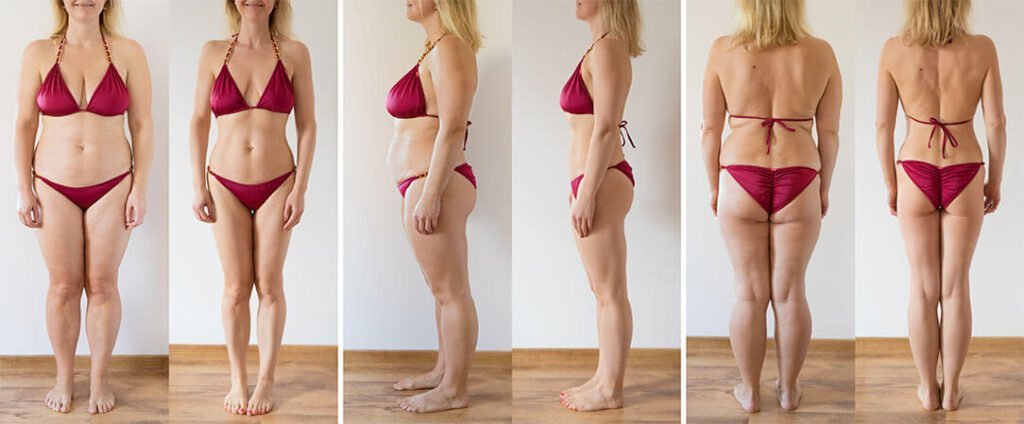
By Dr. Mitchell Hayes, MD – Metabolic Health Specialist
Reviewed by independent researchers
Updated: 2026 | Reading time: 6 minutes
When was the last time you actually liked what you saw in the mirror?
Not tolerated.
Not “accepted.”
But genuinely liked.
If you’re a woman over 35 who has tried diets, workouts, supplements — and still struggles with stubborn belly fat — this may be the most important article you read this year.
And no, this isn’t another emotional story about willpower, motivation, or “loving yourself more.”
What you’re about to read is based on recent metabolic research supported by the University of Cyprus, and it explains why weight loss stops working for so many women — even when they do everything right.
❌ Why Diets and Exercise Suddenly Stop Working
For decades, women were told that weight gain was caused by:
Eating too much
Exercising too little
Slow metabolism
Hormones or genetics
But according to new data, those explanations are incomplete.
Researchers found that in most overweight adults, fat cells are not “lazy.”
They are blocked.
🧪 The Hidden Cellular Blockage No One Talks About
Scientists studying metabolic health discovered that toxins commonly found in modern food — preservatives, pesticides, and synthetic hormones — can accumulate inside fat cells.
Over time, this causes:
This phenomenon is now referred to as toxin-induced cellular blockage.
And here’s the key insight:
When fat cells are inflamed and blocked, diet and exercise become biologically ineffective, no matter how disciplined you are.
🌍 Why Women Near the Dead Sea Rarely Struggle With Weight
To better understand this mechanism, researchers analyzed populations in different regions.
One of the most surprising findings came from women living near the Dead Sea.
Despite diets rich in natural fats and salt, obesity rates in this population were close to zero.
Why?
According to research supported by the University of Cyprus, these women showed:
Lower cellular inflammation
Stronger “cellular resilience” against toxins
Significantly higher natural production of GLP-1 and GIP hormones
These hormones are essential for:
Western women, on the other hand, were producing up to 9x less GLP-1 naturally.
💉 Why Popular Weight Loss Drugs Miss the Real Problem
You may have heard of medications like Ozempic, Mounjaro, or Wegovy.
While they mimic GLP-1 activity, researchers warn:
They do not restore natural hormone production
They do not remove cellular inflammation
Weight often returns after stopping
Side effects are increasingly reported
In short: they suppress symptoms, but don’t fix the cellular root cause.
🔬 The Natural Breakthrough That Changed Everything
Researchers studying mineral compositions from the Dead Sea identified two specific minerals that naturally:
Reduce fat cell inflammation
Restore cellular resilience
Reactivate natural GLP-1 and GIP production
When combined correctly, these minerals help the body unlock fat that has been “trapped” for years, without forcing the metabolism.
This process works during sleep, without extreme diets or exhausting workouts.
🌙 A Simple Nighttime Ritual (No Lifestyle Overhaul Required)
📊 What Early Users Are Reporting
In observational trials with thousands of volunteers:
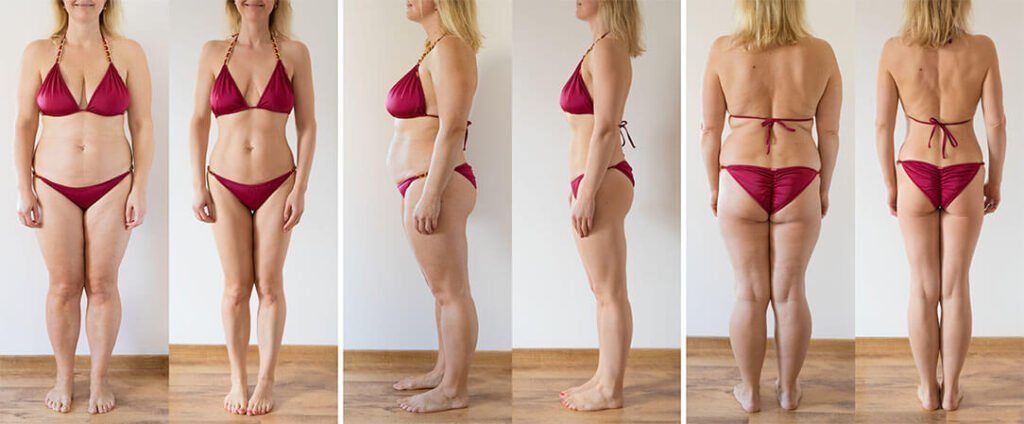
Participants lost between 42 and 70 pounds over a few months
Many reported improvements in blood sugar and inflammation markers
Results varied based on age and cellular condition
To address this, researchers developed a personalized dosage system, adjusting intake based on individual factors like age and height.